
Turn breathwork into a reliable self-regulation tool that can be used when you need it most.
Breathe Like a Game.
Feel Like You've Got this.
Unlock your frequency with interactive breathwork.
Play. Breathe. Optimize. That's it.
Your Stressors are Random.
Your Response Shouldn't Be.
Streaks that Build your Skills.
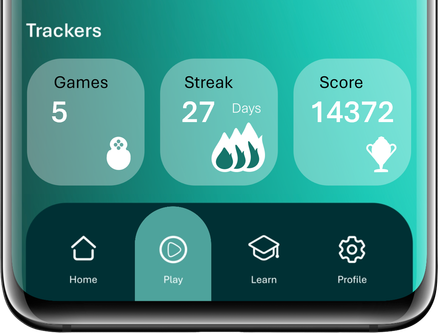
Training grows your skills so you're ready when it counts.
Streaks help you stick. Miss a day? The streak holds.
If you've only practiced breathwork sitting quietly at home, your nervous system hasn't learned to support you when you feel off-balance.
Breathwork That Shows: Instant Proof.
Breath-Responsive Games.
Self-Regulation that Adapts to You.
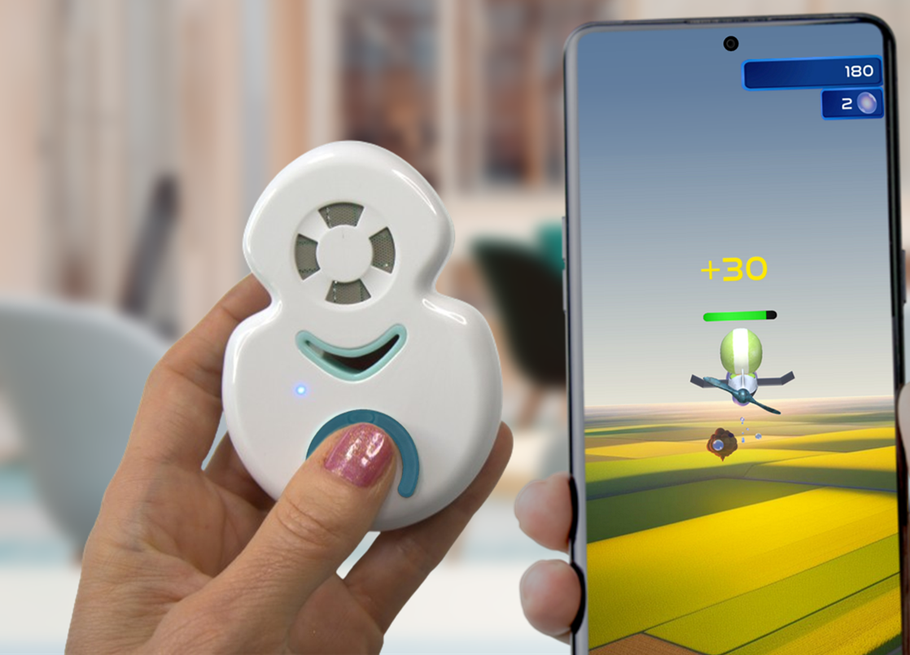
Seesaw Health combines expert coaching with playful design.
In-game guidance enables on-demand proper practice.
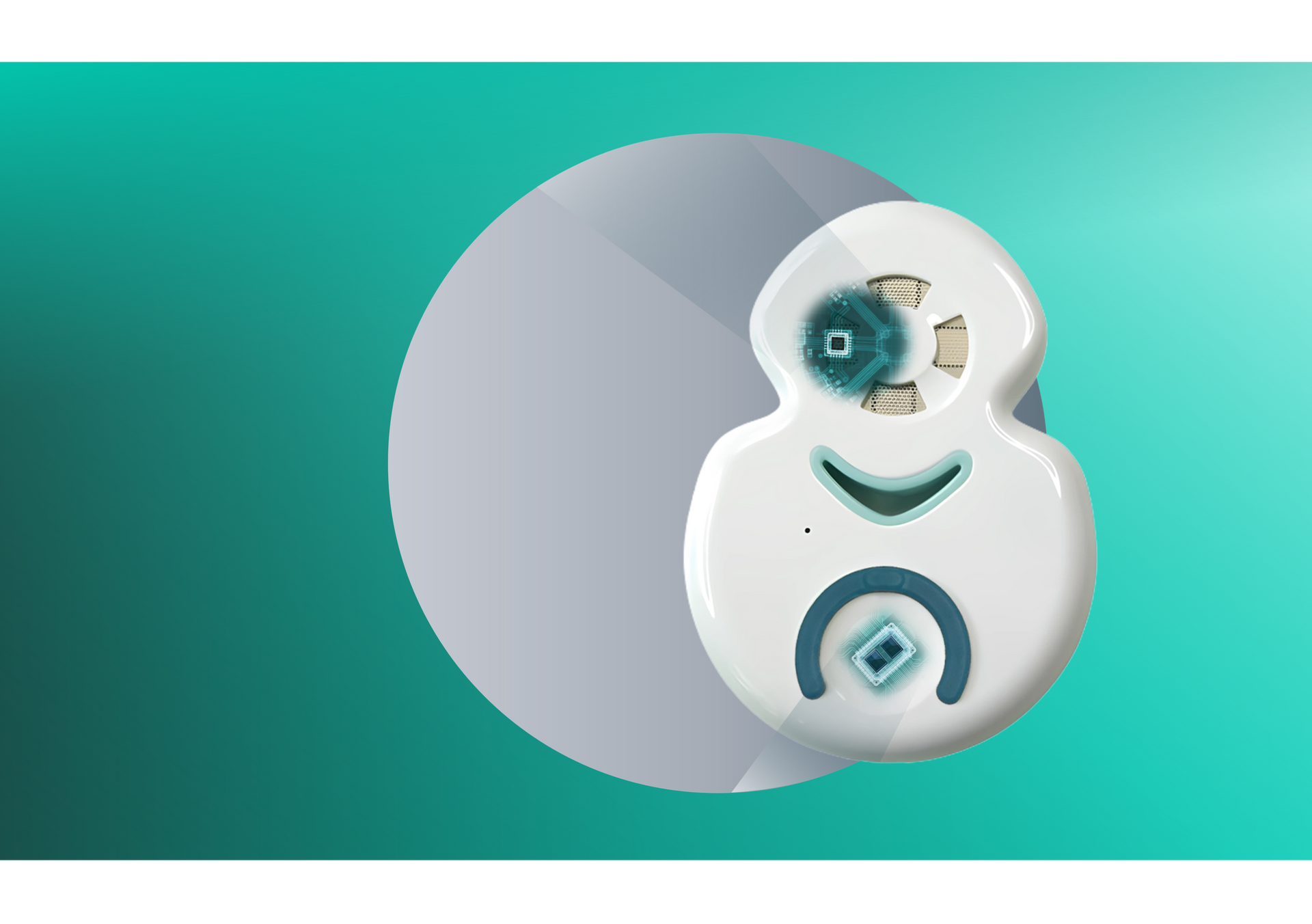
Each time you use the 'egg' your breathing is captured and analyzed.
0.1 Hz resonant breathwork is the most studied and proven breathing method
for nervous system regulation.
3-Minute Sessions Across 90 Days
Beat 1 Perfect Hour You'll never Take.
Tiny Habits, Small Wins Everyday.
Our 90-day program is structured in three simple phases:
Activate, Sync, and Optimize.
Each new phase sets simple goals and brings clear milestones.
You're cycling through the same fundamental behavior three times, but you're not just repeating, you're returning to the same pattern with accumulated skill.
Build Foundations
Faster than You Think.
Regulate
Easier than You Imagined.
Data-Driven Breathwork.
Skip the Guessing.
10-day cycles, called "Signals" are repeated through each phase
with adaptive variations.
Designed to help you thrive.
Your Nervous System Has a Dashboard Now.
See it Before You Feel it.
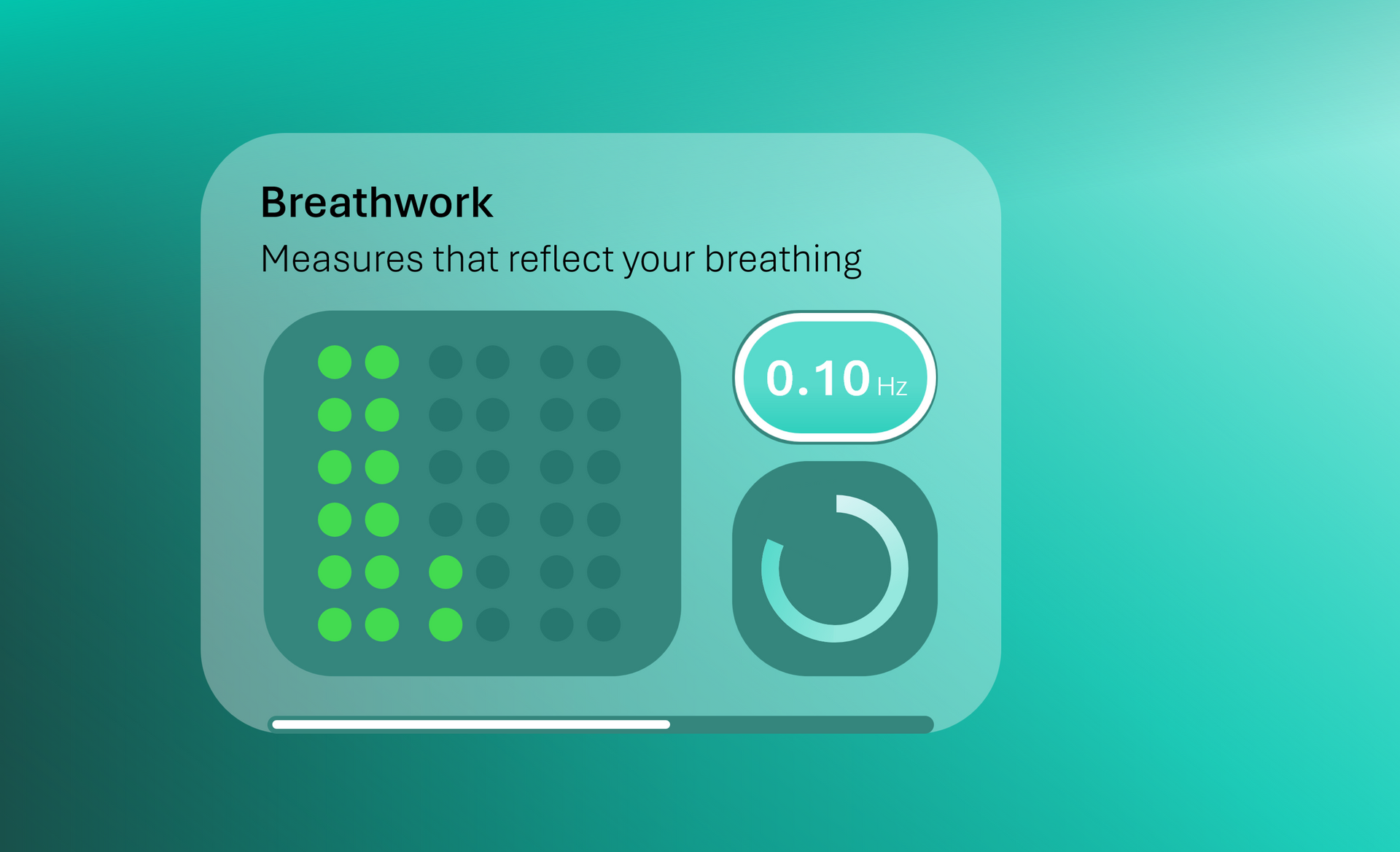
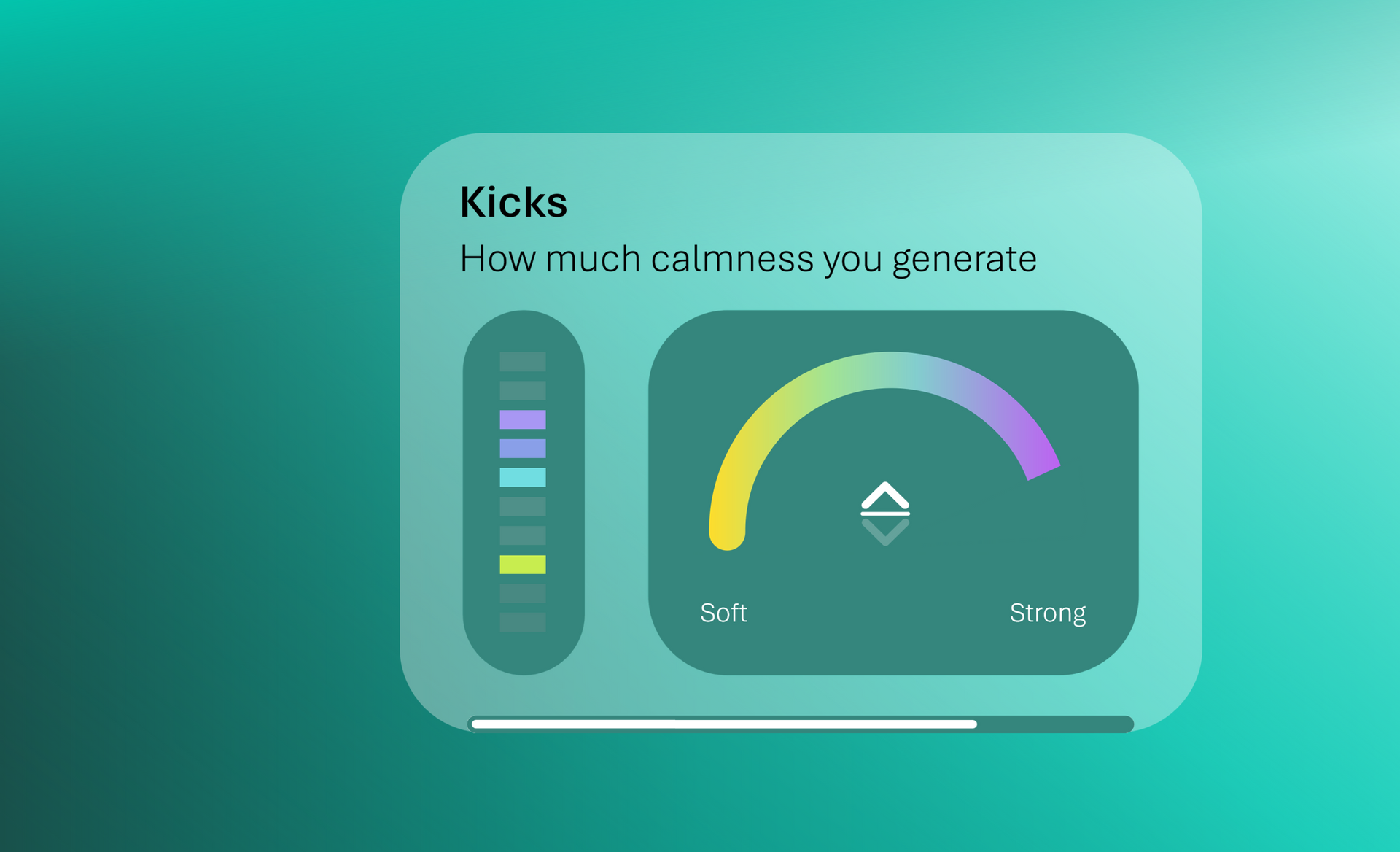
Tracking physiological metrics transforms breathwork from guesswork into a data-informed dialogue with your own body.
The Objective Truth
Subjective perception of breathing is unreliable. You might feel like you breathed slowly, fully, when you stayed high. We tell you what happened.
Your Real-Time State
Digital biomarkers such as RSA and HRV let us track your nervous system and its shifts. You see your nervous system in action, and how it moves.
Your Physiology is Unique
Our program measures the intensity-frequency combinations that drive your regulation. Generic breathworks miss this; your own data doesn’t.
Key Terms, Made Clear:
Your 90-day Program
includes a
30‑min Starter Session
Where Do we Begin?
Certified Coaches
and Licensed Therapists
FAQs
How should I breathe with the egg?
We recommend pursed-lip breathing.
It allows a longer exhale channel by creating positive pressure in the airways, which helps keep them open longer, removes trapped air, and relieves shortness of breath.
This technique involves inhaling slowly through the nose and exhaling slowly through the mouth with puckered lips, making the exhalation last twice as long as the inhalation
Breathe in through your nose and breathe out slowly, yet firmly, through pursed lips – as if you're blowing out a candle.
What does the egg measure?
The egg biosensor measures your breathing frequency and rhythm - which our games guide you to slow down, and parasympathetic response and tone.
You'll find more information there.
Your breathing frequency is assessed through your respiratory rate (RR), expressed in Hertz - breathe in, breathe out, possibly hold and pauses.
Your breathing rhythm is your inhale-to-exhale ratio (I:E).
To evaluate your parasympathetic response, we leverage the power of heart rate variability (HRV).
HRV is more than just measurements like RMSSD or SDNN. Advanced analytical mathematical models capture irregularities, reveal adaptive responses, while machine learning models help refine predictive analysis.
To summarize, HRV is not just “how much it varies”—it’s the patterns of variation, revealing how the nervous system adapts under load.
By the way, most smartwatches, rings, and apps assume 'higher is better' for HRV: this is a misleading simplification of physiological dynamics.
This is why we emphasize accuracy by collecting high-resolution raw data and following a rigorous protocol where measurements are intentionally taken within a well-defined context – breath-controlled games.
In addition, how you interact with a game with the egg allows to evaluate your ability to concentrate on breathwork - cognitive load.
How do the games stimulate my parasympathetic response?
0.1 Hz breathing, i.e., 4-second inhalation (breathing in) and 6-second exhalation (breathing out) activates your PNS.
Neurophysiology explains how controlled breathing stimulates your PNS:
- Your heart rate naturally increases as you inhale and decreases as you exhale. This phenomenon is called respiratory sinus arrhythmia (RSA) and is a marker of parasympathetic tone
- Baroreceptors are specialized pressure-sensitive sensors located within the arteries that continuously monitor blood pressure levels. When blood pressure rises, these receptors transmit signals to the brain, prompting an increase in parasympathetic nervous system activity, which in turn slows the heart rate. This regulatory mechanism typically functions at a frequency of around 0.1 Hz
- During 0.1 Hz slow breathing, respiratory sinus arrhythmia and baroreflex-driven heart rate oscillations align in phase, producing a large, regular rhythm known as resonance or cardiac coherence. This synchronized pattern reflects maximal coupling between breathing, heart rate, and blood pressure regulation around the individual’s resonance frequency
- At approximately 0.1 Hz, phase‑locked coherence markedly increases HRV and augments baroreflex sensitivity, indicating stronger vagal modulation of cardiac rhythms. This amplified vagal influence engages the parasympathetic system and supports a calm, relaxed physiological state.
Essentially, you are hacking the brain-body connection to enhance PNS response and therefore further support your efforts to get and stay healthy.
How many games should I play per day?
For meaningful insights and extended effect, use the egg daily - keep your streak alive.
Can we tell you something?
When you're starting out with breathwork, the guidance is often broad: “Aim for 5-10 minutes a day, 5 days a week.”
It’s a helpful baseline, but it’s also a blanket recommendation that doesn’t account for your unique physiology, goals, or progress.
But the moment you introduce physiological measurement, your practice transforms. You’re no longer just clocking hours; you’re tuning your effort to match your intention.
Measurement turns breathwork from a routine into a feedback loop. And with data in hand, you begin to adjust. It’s the difference between guessing and knowing. Between hoping and evolving. Because what you can measure, you can manage. And what you manage, you can master.
How is the app personalized to me?
Repeated measurements of your own digital biomarkers (breathing, parasympathetic) allows to continuously analyze how these markers change aover time, providing a highly dynamic understanding of your ever-changing parasympathetic response and adaptability, compared to single-time point or randomized measurements.